






Building more resilient upstream portfolios
Delegates will examine how upstream leaders are reshaping portfolios to manage geopolitical exposure, basin concentration and long-term competitiveness.

Delivering projects with greater certainty
Delegates will explore how projects are being executed despite constraints on capacity, supply chains and industrial resources.

Focusing on the right developments
Delegates will examine how operators are selecting and advancing projects across basins with different risks, timelines and infrastructure realities.

Tracking where upstream supply was heading
Delegates will explore how supply mix, resource priorities and development strategies are shifting across global upstream markets.
Register your interest
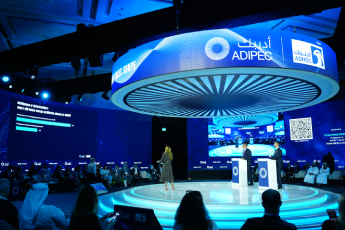
Spanning over 380 sessions, the ADIPEC Conferences will provide an inclusive stage for more than 1,800 speakers to address the most urgent global energy challenges.
Strategic Conference programmes
Energy Security & Resilience
Policy, Regulation & Governance
Finance & Investment
AI, Digital & Technology
Upstream
Natural Gas & LNG
Downstream, Chemicals & Industrial Value Chains
Grids, Infrastructure & Industrial Execution
Clean Power, Molecules & Carbon Management
Maritime & Logistics
Workforce & Skills
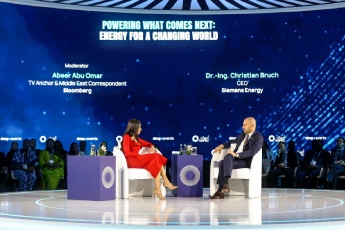
Energy Security & Resilience
Will explore how countries and companies are strengthening their ability to withstand disruption while maintaining affordability, reliability and competitiveness.

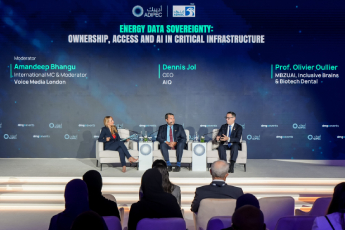
Policy, Regulation & Governance
Will examine how policy and regulation can unlock investment, reduce risk and accelerate delivery across energy markets.
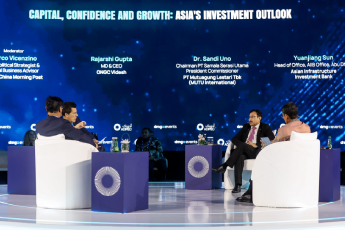
Finance & Investment
Will explore how capital can be mobilised to deliver short-term resiliency while securing long-term growth.
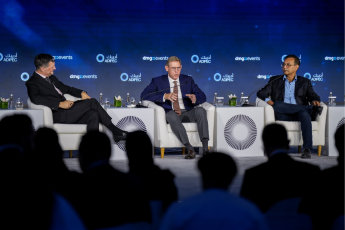
AI, Digital & Technology
Will highlight how AI and digital technologies are driving efficiency, resilience, security and competitive advantage across energy operations.
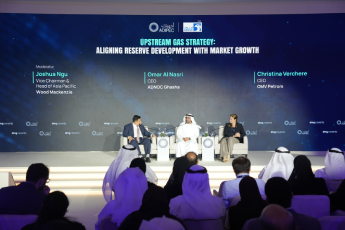
Upstream
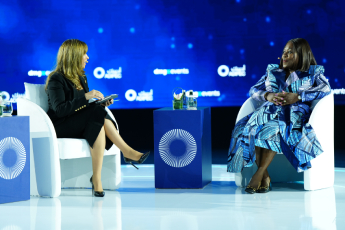
Natural Gas & LNG
Will explore how natural gas and LNG markets are adjusting to shifting demand, new buyers and disrupted trade flows.
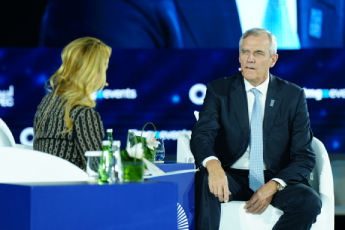
Downstream, Chemicals & Industrial Value Chains
Will explore how downstream value chains are competing across markets, securing feedstocks and strengthening integration.
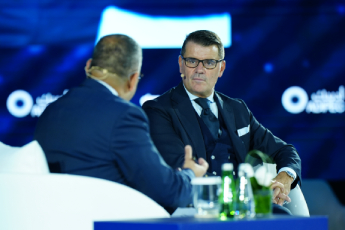
Grids, Infrastructure & Industrial Execution
Will examine how grids, infrastructure and execution capacity are becoming decisive to growth, reliability and delivery at scale.
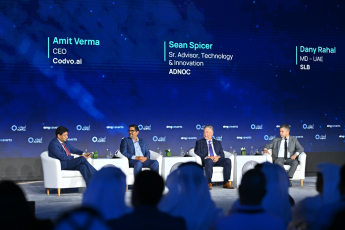
Clean Power, Molecules & Carbon Management
Will explore how low-carbon power, cleaner molecules and carbon management are moving into commercially viable delivery at scale.
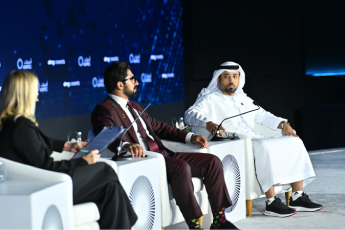
Maritime & Logistics
Will highlight how shipping, ports and logistics are strengthening trade resilience, route security and infrastructure competitiveness.
Workforce & Skills
Will examine how energy leaders are tackling workforce constraints, critical skills gaps and leadership succession to sustain performance.



